

Storm-Season Roof Repairs in Troy, OH: 7 Quick Checks After High Winds

Wild spring fronts and summer pop-up storms can beat up even a sturdy roof in the Miami Valley. If your home took a hit, the safest next step is to schedule professional roof repairs with a trusted local crew. Below, you’ll see what a roofing expert looks for after high winds, why those checks matter, and how J.G. Roofing moves fast to keep water out of your Troy home.
Why Wind Damage Matters In Troy’s Storm Season
High winds can lift shingle edges, bend ridge caps, and loosen metal flashing around chimneys and vents. Once wind opens a path, rain follows. Water sneaks under the roofing layer, soaks underlayment, and shows up later as stains on ceilings or musty smells in the attic.
Homes near open fields east of town or along the Great Miami River can feel stronger gusts. Large trees drop limbs, and fine shingle granules wash into gutters during the first heavy rain. Catching these issues early helps prevent mold, warped decking, and interior damage.
The 7 Quick Checks A Pro Makes After High Winds
- Shingle condition and wind creases
- Ridge caps and hip lines
- Flashing at chimneys, skylights, and pipe boots
- Gutters, downspouts, and shingle granules
- Soffits, fascia, and wall-to-roof tie-ins
- Attic moisture, daylight, and ventilation flow
- Overall roof plane, decking feel, and penetrations
1) Shingle Condition And Wind Creases
Wind can fold shingles back and leave a faint white line across the tab. That crease weakens the shingle and often leads to a tear on the next blow. A pro checks slopes facing the wind, corners near rakes, and any areas with prior repairs for lifted nails and missing sealant.
2) Ridge Caps And Hip Lines
Ridge and hip caps sit high and catch wind first. If caps loosen, wind-driven rain enters along the roof’s spine. Your roofer looks for cracked, displaced, or mis-nailed caps and confirms the ridge vent is secured and breathing correctly.
3) Flashing At Chimneys, Skylights, And Pipe Boots
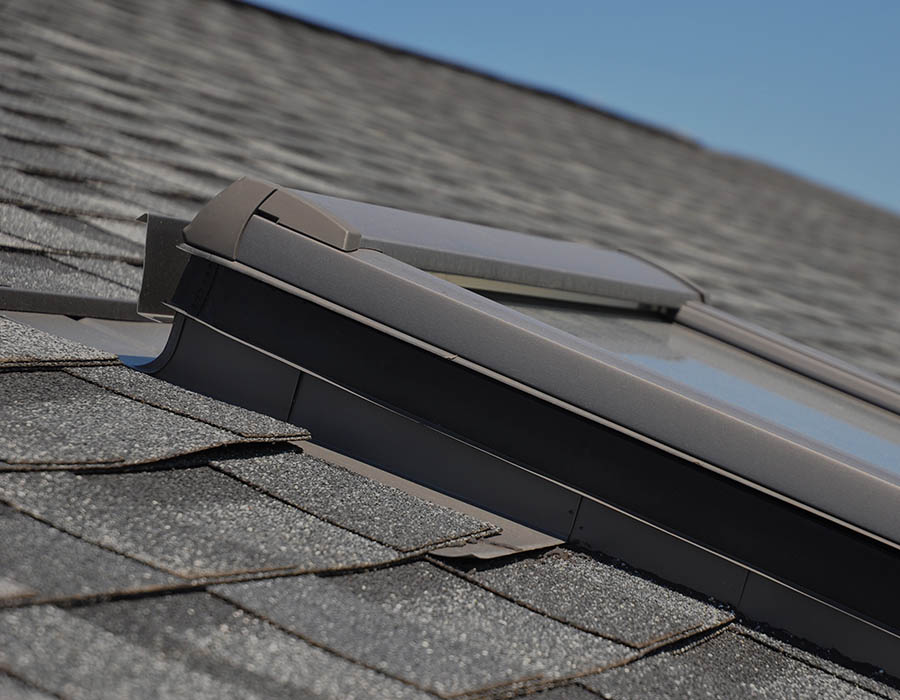
Wind likes to pry at metal flashing. Tiny gaps around a chimney or skylight can pull in sheets of water. Pipe boots dry and crack with age, then the wind flexes them further. A pro inspects step flashing, counterflashing, and boots, then reseals or replaces where needed to restore a watertight seal.
4) Gutters, Downspouts, And Shingle Granules
After a blow, gutters often catch the first clues: extra granules mean the shingle surface wore under stress. Downspouts that overflow or pull away can dump water right at your foundation. Your roofer confirms gutters are attached, pitched, and clear so runoff moves away from the house.
5) Soffits, Fascia, And Wall-To-Roof Tie-Ins
Wind can loosen soffit panels and fascia trim, opening a path for pests and water. At wall-to-roof transitions, kick-out flashing must steer water away from siding. If wind shakes these components, water stains and soft wood may follow. A thorough check protects both roof and walls.
6) Attic Moisture, Daylight, And Ventilation Flow
Moisture shows up in the attic first. A pro looks for damp insulation, dark rings on sheathing, and any pinholes of daylight where they shouldn’t be. Balanced intake and exhaust ventilation also matters. When vents are blocked or damaged, humidity rises and shortens roof life.
7) Overall Roof Plane, Decking Feel, And Penetrations
Once the obvious areas are covered, a roofer scans the roof plane for uneven spots that hint at warped decking. They review penetrations such as satellite mounts and solar brackets, which can loosen under repetitive gusts. Securing these points helps stop repeat leaks the next time the wind howls.
Urgent Signs You Should Report Right Away
Wind damage isn’t always dramatic. Small issues grow during the next storm. Call promptly if you notice any of the following from the ground or inside:
- Loose or missing shingles, especially on wind-facing slopes
- Granules piling at downspouts or bald shingle patches
- Water stains on ceilings or around can lights after rain
- Whistling, rattling, or flapping sounds near the roof line
Do not climb on the roof. It’s slick, steep, and unpredictable after a storm. A trained team has the safety gear, techniques, and materials to assess and protect your home the right way.
How J.G. Roofing Handles Emergency Roof Repairs
When weather hits, you want a clear plan. Our process focuses on safety and speed so your home stays dry and livable:
First, we gather what you noticed and schedule a fast visit. On site, we complete a full storm assessment, including the seven checks above, and document conditions for your records. If needed, we install temporary protection to control water until a permanent fix is completed. Then we review options, materials, and timelines in plain language so you can make confident decisions.
If a professional inspection is due, it helps to book it before the next rain. You can start with a no-obligation roof inspection to understand exact conditions. For storm-specific issues, we can also move directly into targeted roof repairs once your approval is in place.
Insurance And Documentation, Without The Headache
Storms can be stressful. While every policy differs, clear photos, notes from a licensed contractor, and a simple repair scope make conversations easier. We provide organized documentation that you can share with your carrier if you choose. We never recommend risky temporary fixes. Shortcuts often cause more damage and delay real repairs.
Want to prepare for your next appointment? Read our practical piece on communicating with your roofing contractor so you know what to ask and how to compare options.
Local Timing: When To Schedule Repairs In Miami County
In Troy, windy periods show up in early spring and again with late-summer fronts. Scheduling repairs quickly helps you beat the seasonal rush and reduces the chance of follow-up leaks. If shingles are creased or flashing is loose, waiting through another storm multiplies the risk.
Materials and timelines can vary by home size, roof design, and season. Act early if you see interior stains. That usually means water already reached drywall or insulation, which can spread damage sideways long before it drips.
Safety First, Always
Ground-level checks are fine, but leave ladders and steep slopes to trained crews. High winds can shift shingles underfoot and hide soft spots you cannot see. We bring harnesses, anchors, and the right tools, then follow a step-by-step safety plan so the job finishes without incident.
For neighbors across Troy, Tipp City, and Piqua who are comparing contractors, start at a trusted source. You can learn about roof repairs in Troy, OH and other services, then call when you’re ready to schedule. If your attic smells musty or a bedroom ceiling shows a ring after a storm, that is your sign to bring in a pro.
Why Homeowners Trust J.G. Roofing
Homeowners want clear answers, reliable scheduling, and a clean job site. That’s why our crews keep you updated at each step, from the first assessment to final cleanup. We use quality materials that match your roof type and local conditions, then stand behind the workmanship so you can sleep easy when the next front rolls through.
We also coordinate around family schedules and sensitive areas like nurseries or home offices. Noise and dust are controlled, and we communicate before, during, and after the work. Your home stays protected while we handle the storm details.
Protect Your Home Before The Next Wind Event
If high winds recently hit your block or your gutters are suddenly full of granules, you don’t have to wait for a leak to appear. Call J.G. Roofing at 937-339-7663 and we’ll guide you through a safe inspection and a clear repair plan. When you’re ready to move forward, our team will prioritize the right fix and get your roof sealed up fast.
Ready now? Book expert storm damage roof repairs with J.G. Roofing, or start with a same-day call to 937-339-7663 in Troy. Our local pros are here to help before the next round of wind and rain arrives.
Recent Roofing Articles
-
When Should You Schedule a Professional Roof Inspection?
If you own a home in Kettering, your roof faces hot summers, sudden thunderstorms, and icy winters. That mix can wear on shingles, flashing, and gutters faster than you think. A professional roof inspection helps catch small problems before they become leaks. If you want a […]
-
How Do You Know If Your Roof Needs Repair or Full Replacement?
If you are seeing stains on a ceiling, finding shingle pieces in the yard, or noticing daylight in the attic, it is natural to wonder if you need quick roof repair or a brand-new roof. The short answer is that most issues in Springfield, OH start […]