

Roof Types Explained: Metal, Asphalt, and Flat - What Fits Your Home?
If you’re comparing roof types in Troy, OH, you’re already on the right path. Our climate brings hot summers, heavy spring rain, and winter freeze-thaw cycles, so your choice matters. This guide breaks down metal, asphalt shingle, and flat roofing in plain language, with local context. For a deeper dive into materials and styles, explore our roof types overview.
Homeowners often ask which system performs best on their street or style of home. The answer depends on slope, attic ventilation, and how storms hit your property. To start smart, see how different roof types handle Troy’s weather and common home designs.
Best Roof Types For Troy, OH Weather
Troy sits along the Great Miami River and gets a mix of lake-effect cold and Midwest storms. Roofs must manage wind-driven rain, spring hail, and winter ice. Good underlayment, flashing, and ventilation make as much difference as the surface material itself.
- Ice is the silent threat. Freeze-thaw expands tiny gaps, which can push water under shingles or panels if details aren’t sealed.
- Wind gusts funneling through open areas can pry at edges and ridges, so edge metal and starter courses matter.
With that in mind, let’s compare the three roof types Troy homeowners ask about most.
Metal Roofing in Troy, OH: Strength, Style, and Snow-Shedding
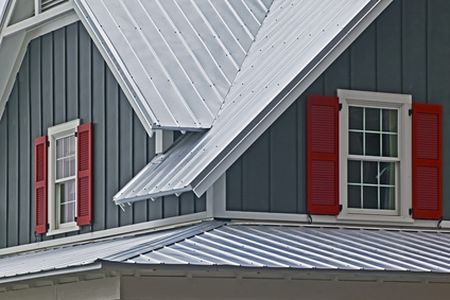
Metal roofing excels at shedding snow and resisting wind. It reflects summer sun, which can help keep attics cooler when paired with proper ventilation. Many homeowners choose steel standing seam or metal shingles for a clean, modern look that still fits classic Midwest homes.
Pros: Long service life, strong wind resistance, quick snow slide-off, and fewer seams on standing seam profiles. Compatible with steep gables common in our area.
Considerations: Installation quality is critical. Fastener placement, panel alignment, and flashing details protect against driven rain. If you’re worried about noise, a solid deck with underlayment and attic insulation reduces sound to normal levels.
Metal works well if trees are set back and your home has clear sun. If you have heavy, overhanging branches, expect more surface scuffs from falling twigs. Regular branch trimming and gutter upkeep go a long way.
Asphalt Shingle Roofing: Reliable, Versatile, and Budget-Friendly
Asphalt shingles remain Troy’s most common roof type because they’re versatile and come in many styles. Architectural shingles add depth and shadow lines that match traditional homes and newer builds alike.
Pros: Wide style options, easier repairs, solid wind ratings in many products, and a familiar look for neighborhood curb appeal.
Considerations: Shingles don’t like standing water. Adequate slope and clean gutters help prevent early wear. Pay attention to attic ventilation. Without balanced intake and exhaust, heat can build up under shingles and shorten their lifespan.
Many homes in Miami County have valleys where two roofs meet. Those valleys need careful underlayment and metal flashing so spring rain doesn’t sneak in. A professional install is key.
Flat Roofing For Homes and Additions
Flat and low-slope roofs show up on porches, sunrooms, and mid-century additions around Troy. They can be great for modern lines, but they require correct materials and drainage.
Pros: Clean look for additions, options for durable single-ply membranes, and easier placement of vents and small mechanicals.
Considerations: Ponding water is the enemy. Tapered insulation and well-placed drains or scuppers help move water off the roof. Choose membranes rated for our temperature swings and make sure seams are professionally welded or adhered.
How To Match Roof Type To Your Home
Every house has a mix of slope, orientation, and surrounding trees. Here’s a simple way to think it through:
- If your main roof is steep and open to the sun, metal can shine for snow-shedding and summer reflectivity.
- If you want a classic look with many color choices, asphalt shingles fit most gable and hip roofs.
- If your addition or porch is nearly flat, choose a membrane designed for low-slope performance.
When you’re ready to compare options side by side, it helps to review roof types for your home with a local pro who understands our weather patterns and common roof details.
Ventilation, Underlayment, and Flashing: The Hidden Heroes
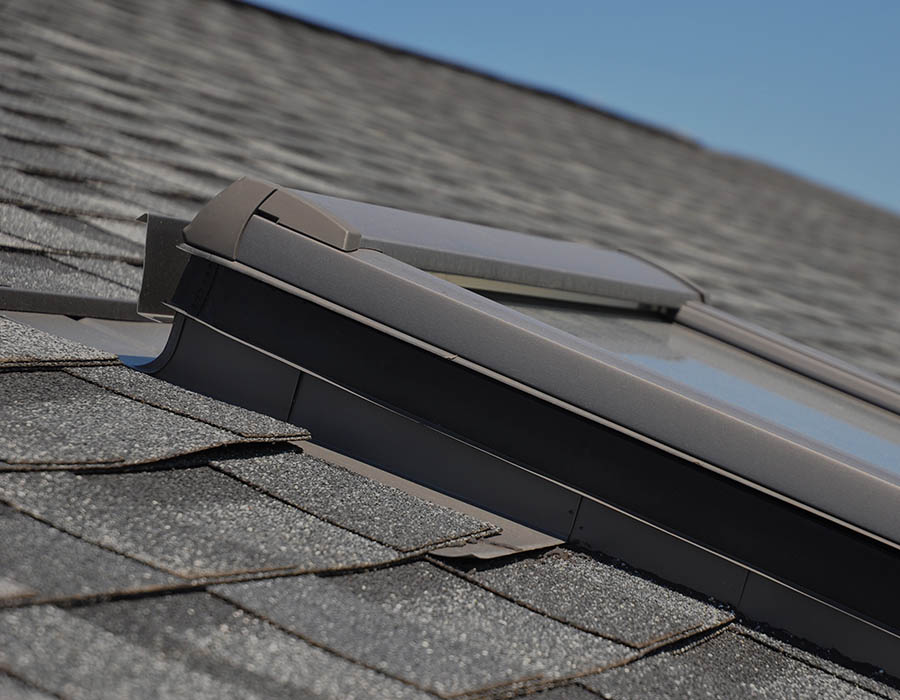
Materials get the spotlight, but the details make the roof last. Balanced intake and exhaust ventilation keep attics cooler and drier. Quality synthetic underlayment adds a secondary water barrier beneath shingles or metal panels. Proper flashing around chimneys, skylights, and wall intersections stops wind-driven rain from finding a path inside.
Pro tip: Ask your roofing contractor to show you the ridge, valley, and eave details on paper before work starts. A few minutes of planning helps avoid surprises when storms roll through Troy.
Energy, Noise, and Curb Appeal
Metal reflects more sun than dark shingles, which can help reduce attic heat in July. Shingles provide a softer, traditional look and come in cool-rated colors, too. On noise, most homeowners are surprised that a properly installed metal roof is comparable to shingles. The deck, underlayment, and insulation do most of the sound work.
If you’re planning to list your home in the next few years, think about neighborhood style. Matching the character of nearby homes often improves curb appeal and buyer comfort.
Storms, Hail, and Insurance Conversations
Spring hail does visit the Miami Valley. Some products carry impact-resistance ratings. That can be worth discussing with your insurer, but coverage details vary by policy. Document your roof condition with photos after installation and after significant weather. It’s a simple step that supports future claims.
Maintenance That Extends Roof Life
Simple seasonal checks help any roof type last longer. Clear gutters so meltwater doesn’t back up in winter. Look for lifted edges after big wind events. Trim branches that rub. Small maintenance steps prevent bigger headaches later.
Want an organized checklist? Browse our practical roofing contractor tips to stay ahead of the seasons in Troy, OH.
When Roofing Connects To Other Projects
Sometimes a roof decision is part of a larger plan, like replacing skylights, updating attic ventilation, or adding a porch. If you’re coordinating several upgrades, it can be efficient to bundle work so penetrations and flashings are handled once. Our team can help you plan the sequence and align timelines with your schedule and the weather window.
If you’re also evaluating siding, gutters, or exterior updates, explore our core roofing services to see how the pieces fit together with your overall home goals.
Real-World Scenarios For Troy Homeowners
Here are a few common situations we see around town and how each roof type performs:
- Steep gable roof with open exposure: Metal often excels by shedding snow quickly and standing up to gusty days. Architectural shingles can also perform well if edges and valleys are detailed correctly.
- Low-slope addition off the back: Choose a single-ply membrane made for low slopes. Good drainage is essential. Even a small crack in the deck can collect water if not addressed with tapered insulation.
- Tree-shaded street with heavy fall leaves: Shingles handle leaf fall fine, but keep valleys clear. Metal sheds leaves more easily, but watch for twigs collecting at the ribs and in the gutters.
How To Decide With Confidence
Start with your roof’s slope and layout. Consider shade, sun, and wind exposure. Think about the look you want from the street. Then review warranties and the installer’s plan for ventilation, underlayment, and flashing. That plan often tells you more about performance than the brochure does.
If you need a hand sorting through options, our Troy-based team at J.G. Roofing is ready to help. We’ll walk your roof, note the details, and explain the tradeoffs in plain English.
Your Next Step
Ready to talk through metal, asphalt, or flat options for your home in Troy, OH? Review our comparison of roof types and then call 937-339-7663. You’ll get clear guidance from a reliable roofing contractor in Troy who understands our climate, neighborhoods, and what works over time.
Prefer to start with a quick overview? Visit our homepage for a simple breakdown of roof types and other services, or schedule an on-site evaluation with J.G. Roofing today.
Recent Roofing Articles
-
When Should You Schedule a Professional Roof Inspection?
If you own a home in Kettering, your roof faces hot summers, sudden thunderstorms, and icy winters. That mix can wear on shingles, flashing, and gutters faster than you think. A professional roof inspection helps catch small problems before they become leaks. If you want a […]
-
How Do You Know If Your Roof Needs Repair or Full Replacement?
If you are seeing stains on a ceiling, finding shingle pieces in the yard, or noticing daylight in the attic, it is natural to wonder if you need quick roof repair or a brand-new roof. The short answer is that most issues in Springfield, OH start […]